
 Financing Options
 Call Us
Hail damage, high winds, and falling branches can hurt a roof in…
 9 Minute Read
 Posted 10.6.26
Choosing a new roof is one of the biggest decisions a homeowner makes, and the material you pick shapes your budget, your maintenance, and your home’s value for decades. The metal roof vs shingles question comes down to paying more now for a longer-lasting roof or paying less now and replacing sooner. For homeowners in Appleton and surrounding areas, a clear comparison makes it easier to weigh your options with confidence before committing.
Here’s what this comparison covers:
A roof is not a purchase you repeat often, so the material decision carries weight for years after the crew leaves. Wisconsin’s heavy snow, freeze-thaw swings, high winds, and heavy rain put every roofing material to the test, which makes durability and performance more than a matter of looks. Choosing well the first time can spare you a stressful, rushed replacement later.
According to Bob Vila’s comparison of metal and shingle roofing, asphalt shingles usually cost less to install, while metal roofs tend to cost more up front but last far longer. That tradeoff sits at the heart of the decision, and understanding it early keeps you from choosing based on price alone. It also helps to think in terms of cost per year of service, since a roof that lasts twice as long can change the math considerably. For budget conscious homeowners, that long view is what turns a roof from an expense into a smart investment.
Both materials can protect a home well when they are installed correctly, but they differ in ways that matter to your wallet and your routine. Keep in mind that these are general comparisons, and your own roof’s size, slope, and condition will shape the final numbers. Below are four differences that most homeowners weigh when comparing the two.
Asphalt shingles are the more affordable option at installation, which is a big reason they cover so many homes. Metal roofing typically costs two to three times as much up front, since the material cost is higher and the installation is more specialized. As a rough guide, asphalt often runs about $4.50 to $6 per square foot installed, while basic metal roofing runs about $9 to $14. Labor costs also shift with roof size, roof slope, roof complexity, and local building codes, so a written estimate for your home is far more useful than any national average.
This is where metal pulls ahead. Asphalt shingle roofs typically last 15 to 30 years, while metal roofs commonly reach 40 to 70 years depending on the system and how well it was installed. A metal roof can outlast two shingle roofs, which means fewer tear off projects and a narrower cost gap over time.
Metal sheds snow and ice quickly and stands up well to wind, which helps during long Wisconsin winters. Shingles perform well too, but they are more prone to curling, cracking, and granule loss as they age through repeated freeze-thaw cycles, and they can develop algae and moss in humid or shaded areas. Metal is also fire resistant and corrosion resistant, though because it sheds snow so effectively, snow guards may be needed in cold climates.
Shingle repairs are usually simple and inexpensive, since individual pieces can be swapped out. Metal needs less routine upkeep, though repairs can call for specialized skills when something does go wrong. Either way, a yearly look at the roof, along with keeping gutters clear, goes a long way toward protecting your investment.
Weighing these four differences side by side gives most homeowners a clearer sense of which material matches their budget and timeline. Neither choice is wrong, and the best answer depends on how long you plan to stay and what you want from your roof.
Within each category, there are different roofing options that behave differently, so the choice is rarely just metal or shingles. Understanding the main options helps you ask better questions during an estimate and avoid comparing unlike products.
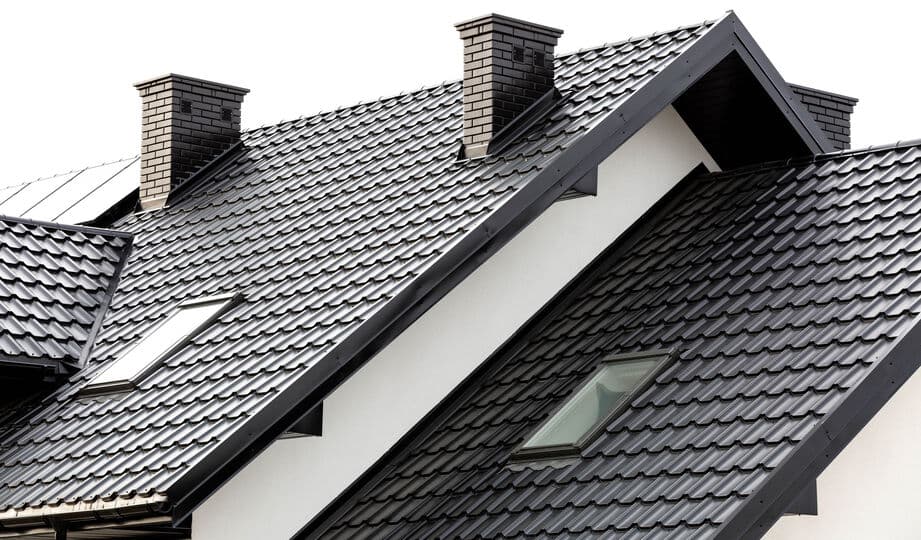
Standing seam panels run vertically with raised seams that hide the fasteners and shed water efficiently. We work with McElroy and Union Corrugated for standing seam metal, and this style is known for strong weather protection and a clean, modern look. It is a popular pick for homeowners who want a roof built to last for decades.
Decra stone-coated steel combines the strength of steel with a surface that resembles traditional shingles. It is a good fit for homeowners who want a metal roof’s durability without a dramatically different appearance, especially in neighborhoods where a traditional look matters.
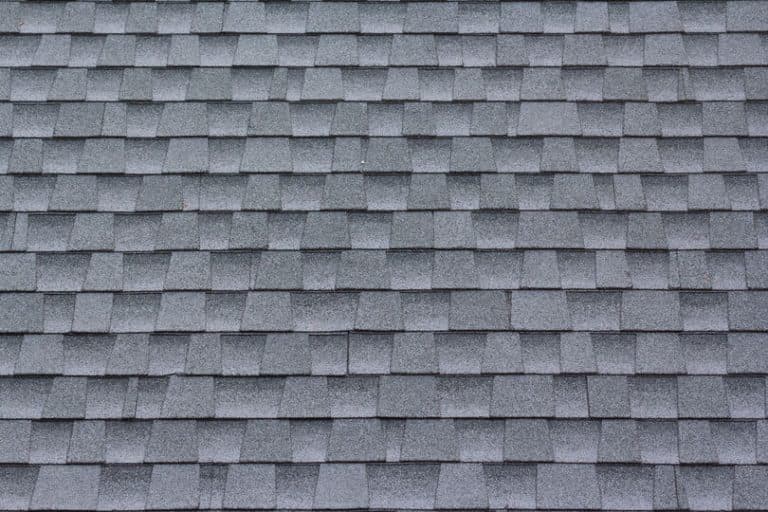
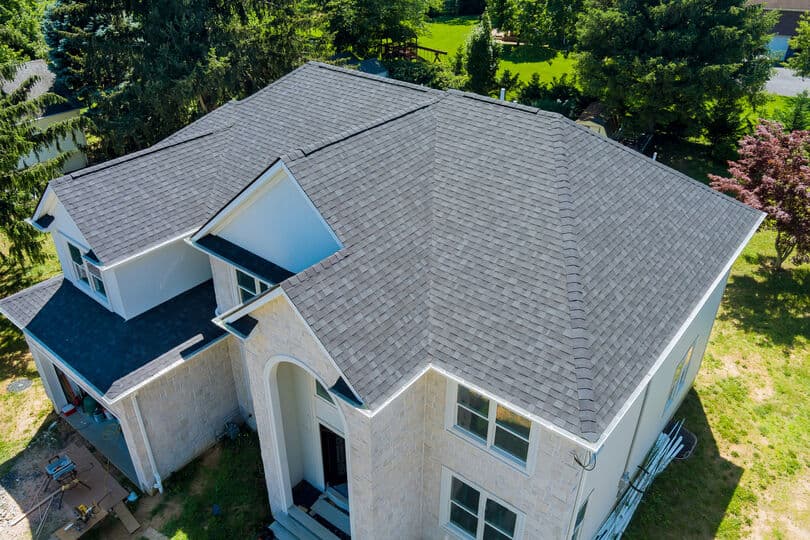
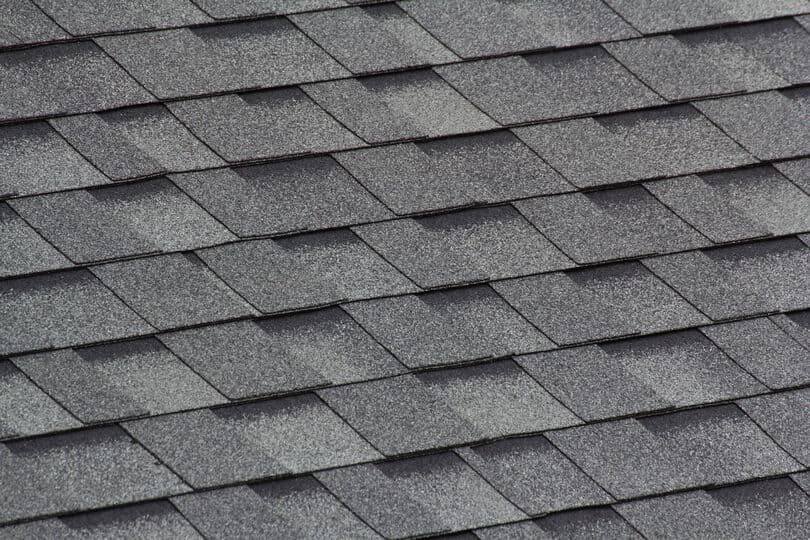
Architectural shingles are thicker and more dimensional than basic three-tab shingles, and they typically last longer. We install CertainTeed asphalt shingles and hold CertainTeed Shingle Master status, so we know these products well.
Metal roofs can reduce heat absorption by up to 40 percent, especially with reflective coatings, which keeps the attic space cooler and can trim energy bills in summer. Asphalt shingles absorb more heat, and cool roof shingles exist but are less effective than metal. On sustainability, metal roofing can be made from recycled materials and is fully recyclable at the end of its life, while asphalt shingles are petroleum-based and contribute millions of tons to landfills each year.
Metal shingles can mimic traditional materials like slate, clay, or wood shakes, and standing seam panels suit a contemporary or farmhouse look. That aesthetic appeal can attract buyers, although asphalt is still commonly seen as the safer option at resale.
Whichever material you lean toward, the underlayment beneath it matters just as much. Titanium underlayments add a protective moisture barrier under both metal and shingles, and proper installation is what lets any roof reach its full potential.
Seeing the strengths and weaknesses of each option in one place makes the decision less overwhelming. This comparison covers the points homeowners ask about most often.
| Factor | Metal Roof | Asphalt Shingles |
| Upfront cost | Higher | Lower |
| Typical lifespan | 40 to 70 years | 15 to 30 years |
| Snow and ice shedding | Excellent | Good |
| Heat absorption | Lower | Higher |
| Fire resistance | High | Varies by product |
| Maintenance | Low | Moderate |
| Repair simplicity | Specialized | Simple |
| Appearance options | Many profiles and finishes | Wide range of colors and styles |
The right pick often depends on your plans for the home. If you expect to stay for decades, metal’s longevity can pay off, while shingles make sense if you want a lower starting cost or may sell sooner. Compare costs carefully either way, because the best value depends on how long you stay. Homeowners in Appleton and surrounding areas also weigh warranty coverage, since the right protection adds real peace of mind. Our installations carry CertainTeed 3-Star and 4-Star warranties along with our own 15-Year Workmanship Warranty, and flexible financing is available through Wisetack if the upfront cost is a concern.
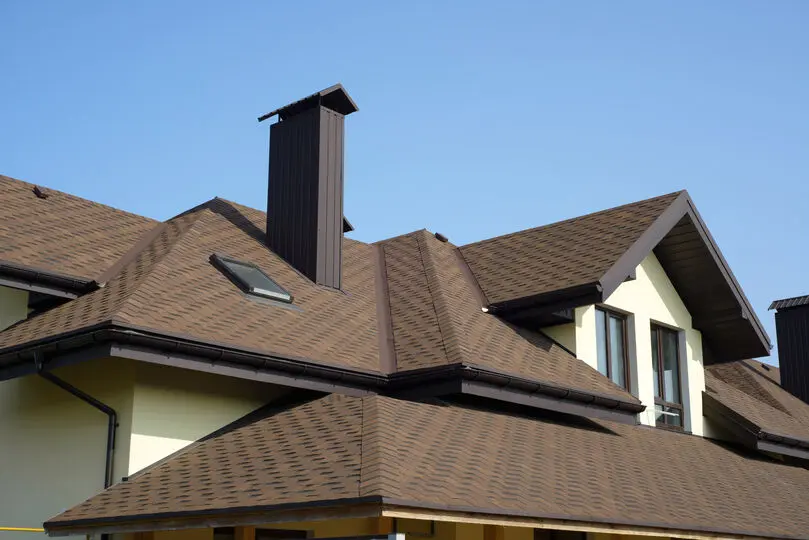
Homeowners often have the same handful of questions when they start comparing these two materials. Here are straightforward answers to the ones we hear most, so you can move forward with a clearer picture.
For many homeowners planning to stay long term, yes. A metal roof’s longer lifespan and lower maintenance can offset the higher starting price over time, since you may avoid a second full replacement. If you plan to move within a few years, shingles may be the more practical choice.
Asphalt shingles typically last 15 to 30 years, while metal roofing commonly lasts 40 to 70 years when installed correctly.
Modern metal roofs are installed over solid decking and underlayment, which dampens sound considerably. Most homeowners find the noise comparable to a shingle roof.
It is sometimes possible, but it depends on the condition of the existing roof and local requirements. A professional inspection is the best way to find out what makes sense for your home, since hidden damage under old shingles can cause trouble later.
Both perform well when installed properly. Metal sheds snow and ice quickly, while quality shingles with proper ventilation and underlayment also hold up through the cold months. Installation quality matters more than the material name on the box.
If you still have questions after reading these answers, that is completely normal. Every roof and every household is a little different, and talking through your priorities with a roofing professional usually brings the right choice into focus.
Finding the perfect roof is easier with someone who can look at your home and give you a detailed breakdown of your options. True North Roofing offers a complimentary roof inspection or estimate, and our owner-operated team can walk homeowners in Appleton and surrounding areas through the tradeoffs before any work begins. If you’re ready to compare options for your home, contact us today and we’ll help you decide with confidence.